
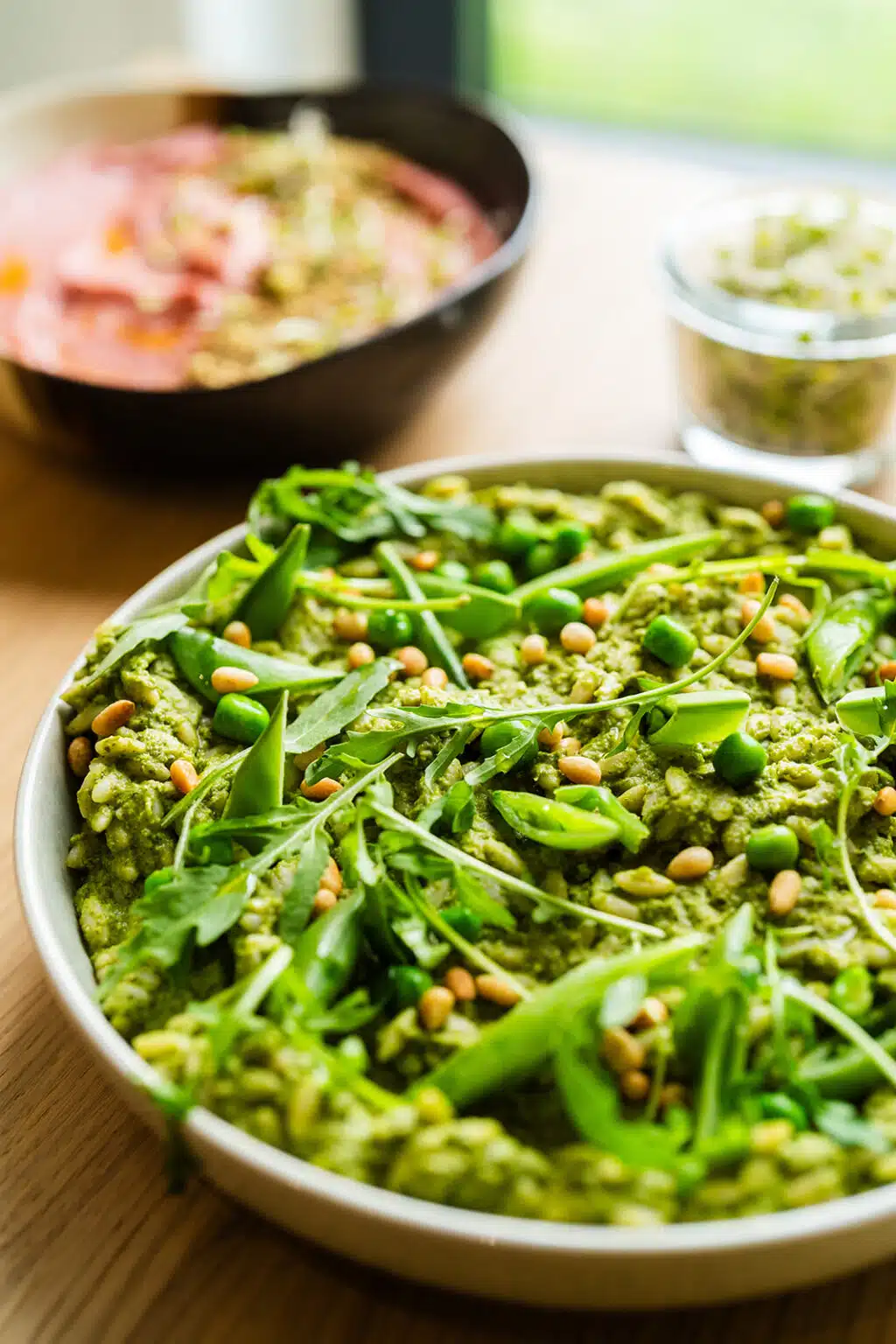
Many of us use food as a tool for stress management and emotional regulation, often without realizing it. A stressful day at work, and suddenly pizza feels like the solution. An uncomfortable emotion surfaces like confusion, frustration, sadness, or even boredom, and we find ourselves reaching for that pack of cookies.
I’m not here to tell you that using food for comfort is “bad.” In fact, there’s wisdom in this instinct. Food is deeply connected to safety, belonging, and pleasure. Not only does eating something warm, familiar, or flavorful can genuinely soothe us in the moment, what we ingest also influences our nervous system.
The challenge is that a lot of the foods that we reach for to “comfort” ourselves tend to be highly processed, high in refined sugars, and packed with unhealthy fats. These options give us a quick boost by lighting up the brain’s reward system, but that relief is usually short-lived. And honestly, it isn’t entirely our fault. These foods are not only very effective at suppressing emotions we’ve been taught we shouldn’t feel – they’re also everywhere, heavily marketed, and deliberately engineered by the food industry to maximize pleasure and keep us coming back for more.
When “Comfort Foods” Backfire
While processed comfort foods are effective in providing quick relief, their impact on the body is real, and the science is clear: over time, they make stress and mood worse, trapping us in a vicious cycle.
- Blood sugar spikes and crashes: Refined carbohydrates cause rapid increases in blood glucose, followed by sharp declines. These fluctuations are linked to irritability, fatigue, and worsened anxiety symptoms (Harvard Health Publishing)
- Inflammation and mental health: Diets high in processed foods increase systemic inflammation, which has been strongly linked to higher risks of depression and anxiety (Psychiatry Research meta-analysis, 2019).
- Reward system hijacking: When your body is flooded with sugar and processed fats, it can interfere with healthy neurotransmitter balance (like serotonin and dopamine). Over time, this can lead to tolerance (needing more to feel the same effect) and make it harder to experience pleasure from healthier foods or non-food activities.
- Avoidance of emotions: When food is our go-to coping tool, emotions don’t get processed, they get numbed. Unprocessed emotions resurface later, keeping us stuck in a cycle of suppression and temporary relief through food (and scrolling, alcohol, and so on). Over the long term, this can disconnect us from ourselves, make it harder to relate to others, and even blur our sense of identity. As hinted at above, part of the reason we turn to suppression tools like food so much in the first place is arguably because of collective beliefs around emotions in modern society – but that’s a topic for another post!
What are True Comfort Foods?
I’m not saying to completely avoid processed foods, refined sugars and unhealthy fats. What I’m inviting you to do is find a healthier balance – one where these are the occasional choices rather than default coping tools.
The food industry may have been feeding us lies, marketing highly processed and refined foods as the shortcut to comfort – but the truth is, real comfort requires honesty with ourselves. Pause and ask: is eating pizza alone on the couch really comforting, or would cooking a quick, nourishing meal while video-calling a friend feel more satisfying? Will mindlessly eating cake at the kitchen counter in under a minute really soothe you, or would enjoying a slice slowly in the sun with a cup of herbal tea feel more like self-care?
The food industry has sold us the idea that highly processed foods are the fastest route to comfort. But real comfort requires honesty with ourselves. Pause and ask:
Is eating pizza alone on the couch really comforting, or would cooking a quick, nourishing meal while video-calling a friend feel more satisfying? Will mindlessly eating cake at the kitchen counter in under a minute really soothe you, or would enjoying a slice slowly in the sun with a cup of herbal tea feel more like self-care?
At its core, this is about creating space for choice. And when the answer truly is, “Yes—this cake, these chips, this pizza would really comfort me right now,” the goal is to eat it without guilt.
To trust that you’re listening to your needs and supporting your well-being. Yes, even if you’re overweight and want to lose weight.
It’s also about harnessing the power of whole foods. Food can be truly nourishing and even healing for your nervous system – and that’s something you can lean into. Certain foods have been shown to stabilize mood, reduce stress, and strengthen resilience, making emotional eating less compulsive over time.
- Complex carbs – Sweet potatoes, oats, quinoa, whole grains. Steady energy, steady mood.
- Omega-3 rich foods – Salmon, walnuts, flaxseeds, chia. Reduce inflammation, support brain health, lower depressive symptoms.
Magnesium-rich foods – Leafy greens, pumpkin seeds, dark chocolate (yes!). Calm the nervous system, lower stress. - Fermented foods – Yogurt, kimchi, sauerkraut, kefir. Strengthen gut health, boost mood via the gut–brain axis.
- Polyphenol-rich foods – Berries, green tea, olive oil, herbs, spices. Antioxidant and anti-inflammatory power that protects your brain from stress.
Not only will these foods support your overall health (and yes – your energy, skin, and weight too), they’ll give you the foundation for a healthier emotional life – where stress doesn’t overwhelm you, and you feel more grounded, more resilient, more you.
Ready to start? I’ve created 5 comfort food recipes that can actually feed your body and your soul by supporting mood regulation and stress relief. Leave your e-mail adres and I will send you them for free.
References
Li, Y., et al. (2017). Dietary patterns and depression risk: A meta-analysis. Psychiatry Research, 251, 113-121. https://doi.org/10.1016/j.psychres.2017.02.020
Harvard Health Publishing. (Feb. 15, 2021). Food and mood: Is there a connection? Harvard T.H. Chan School of Public Health